

2025Yessios MuseumEdessa
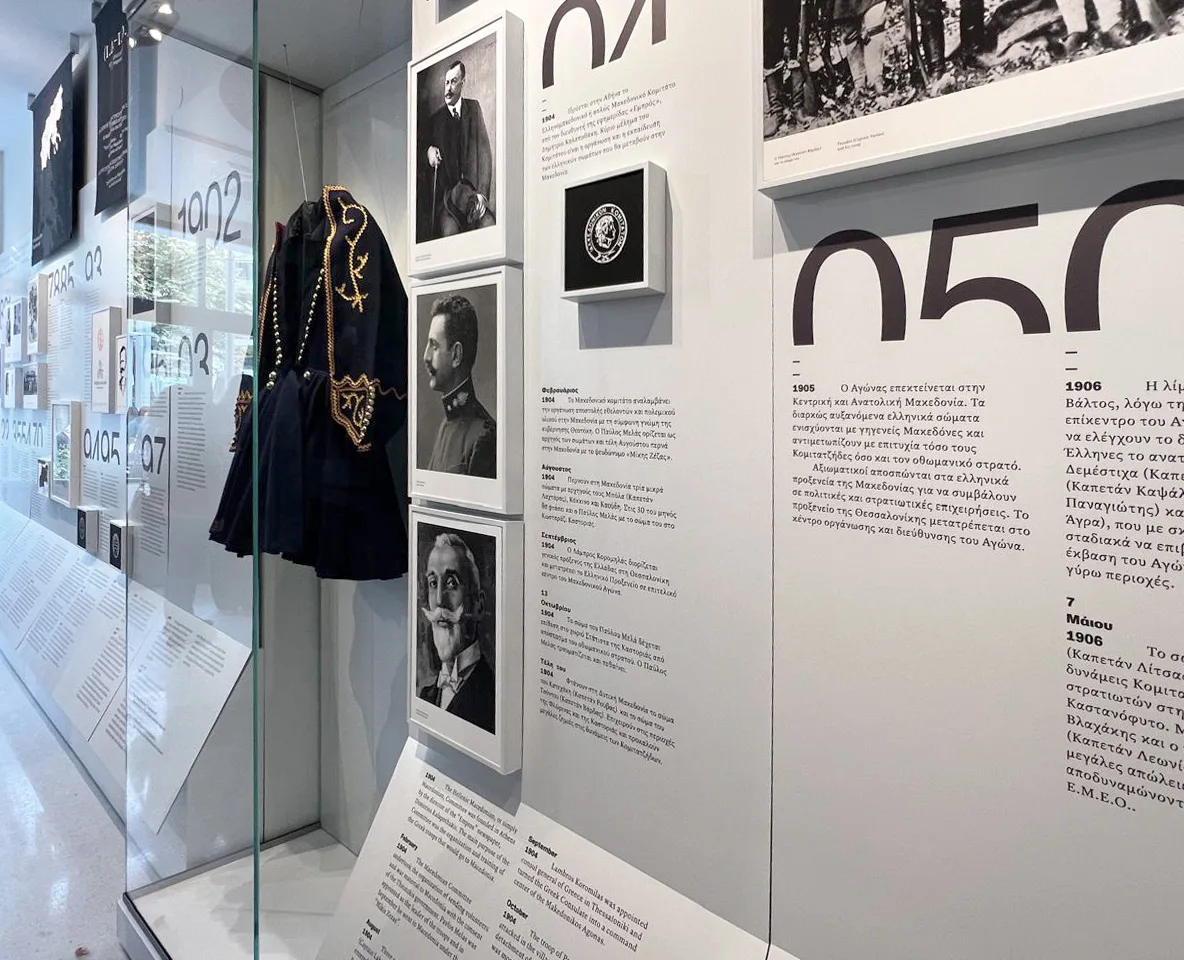
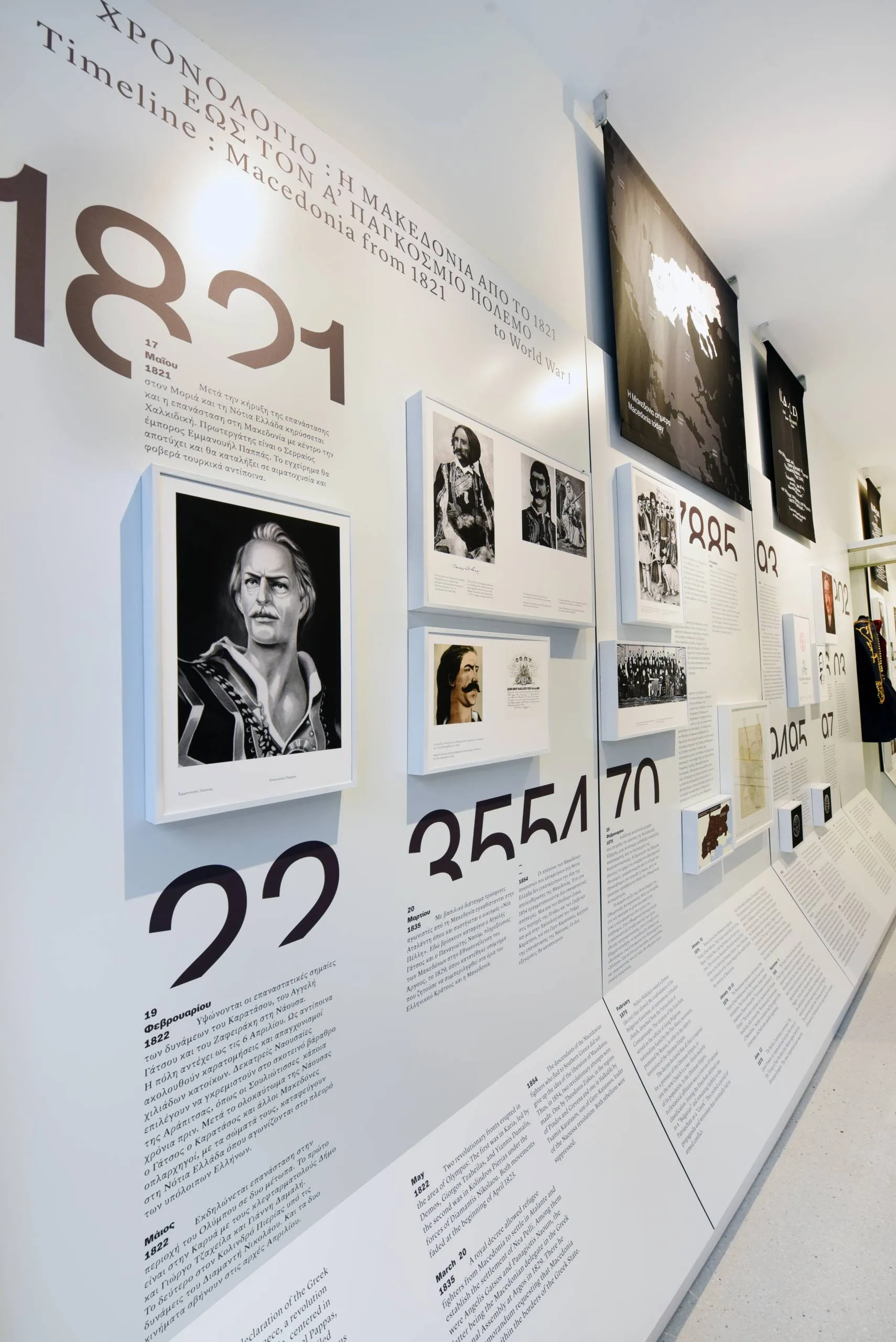
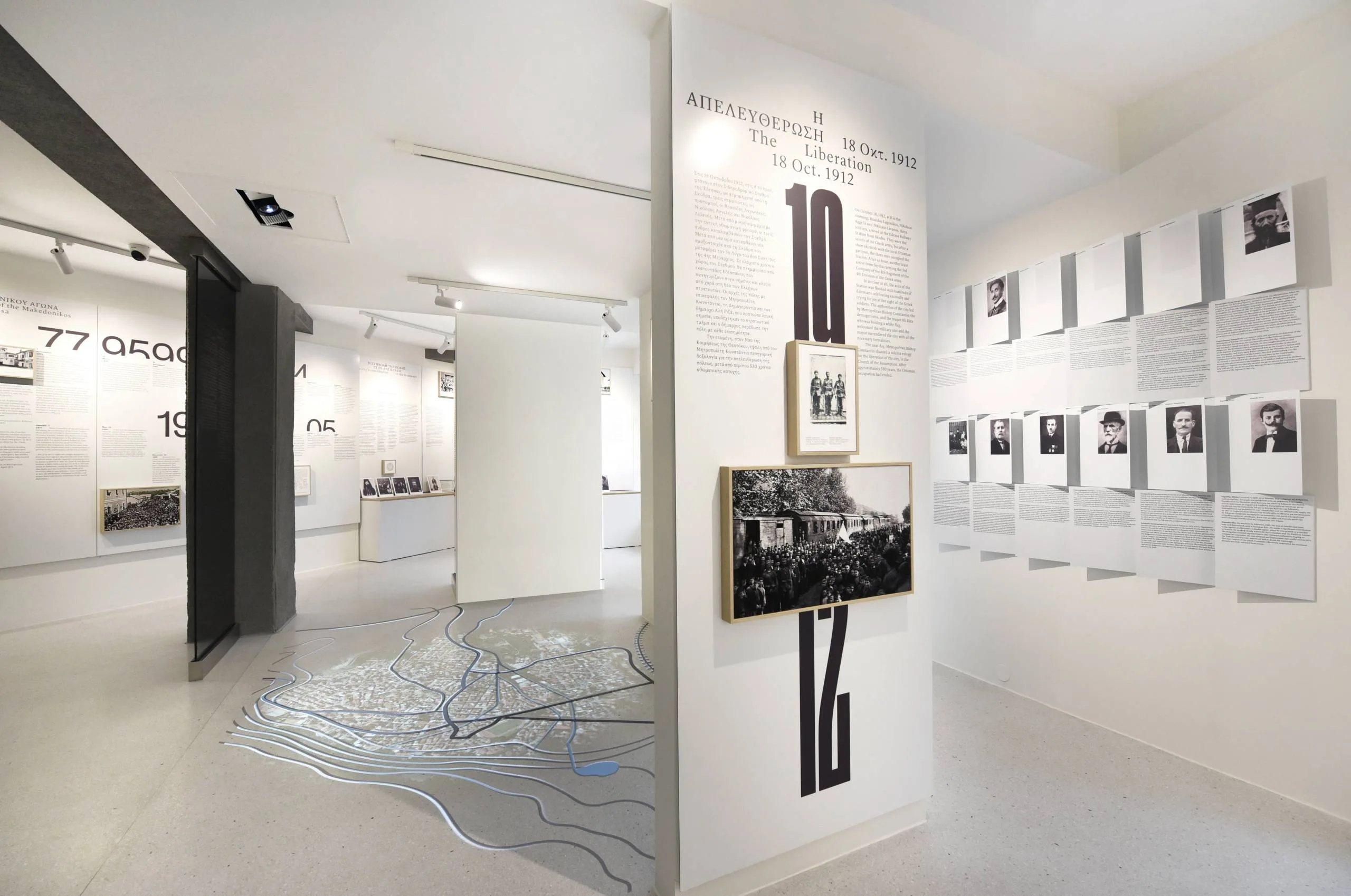
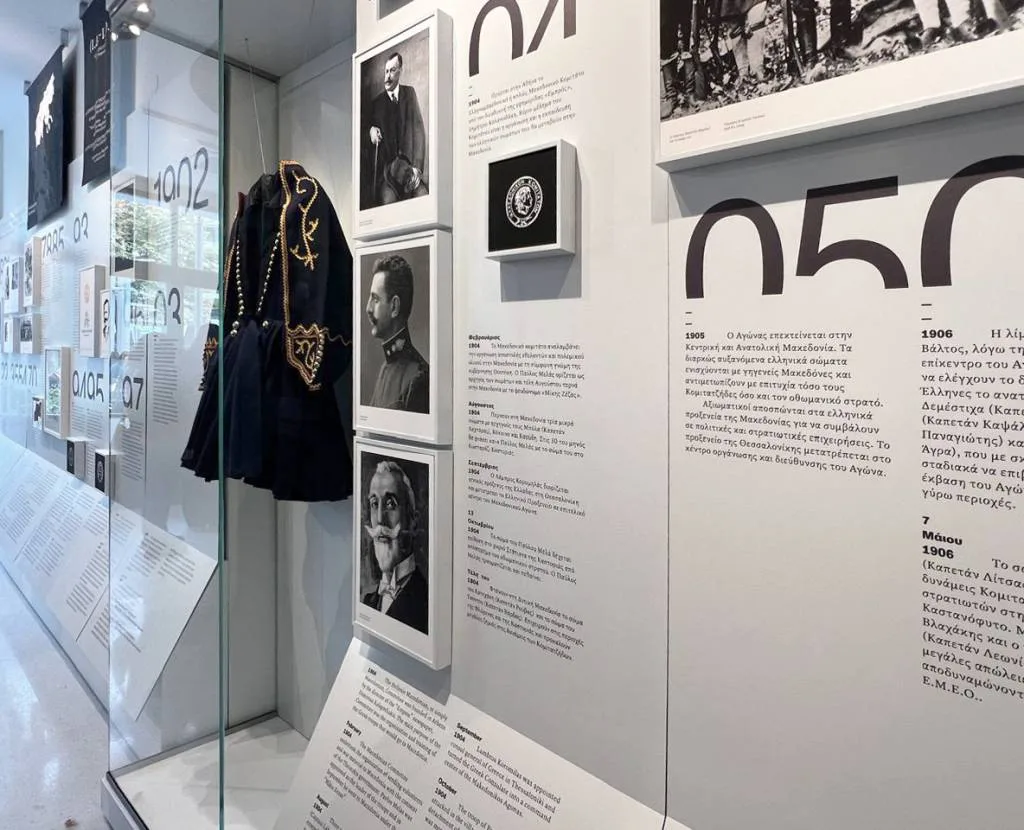
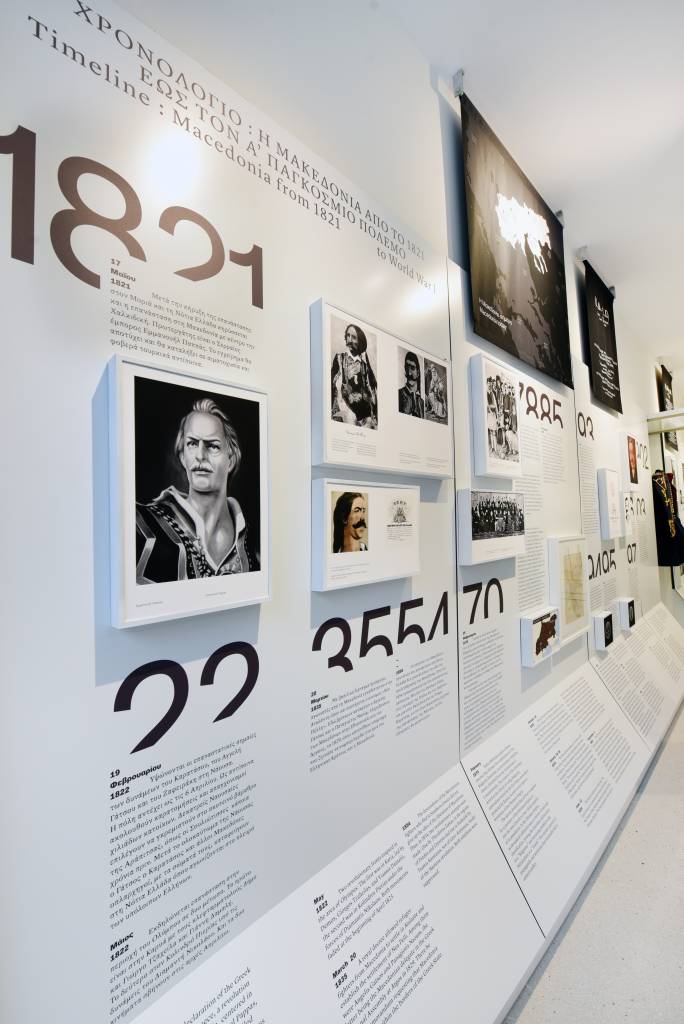
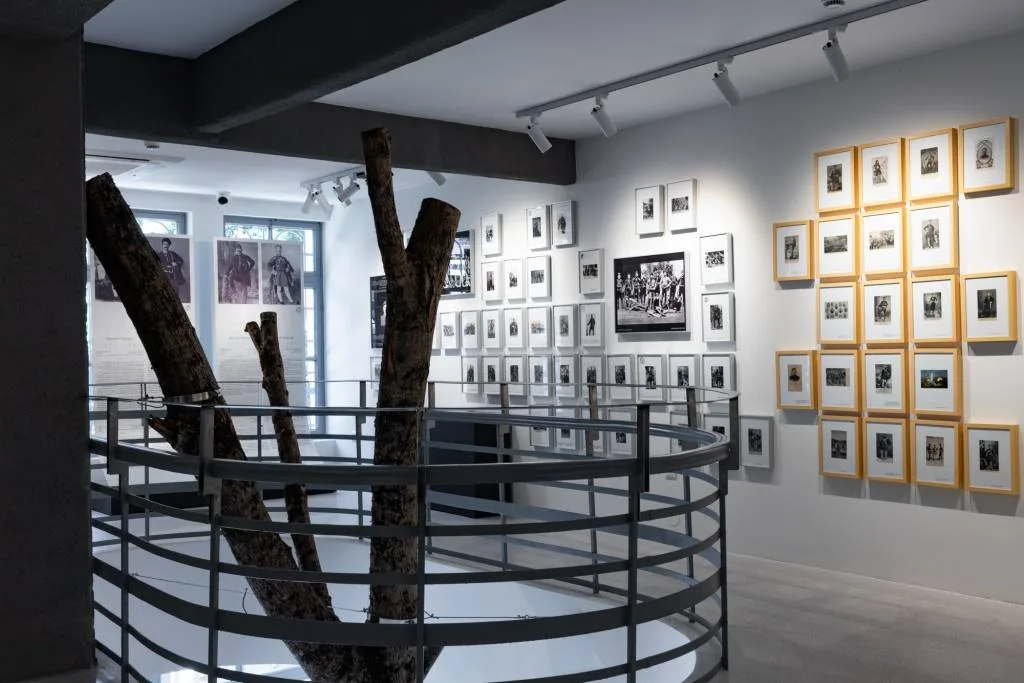
The first section, on the ground floor of the Museum, presents the timeline of the most important events concerning Macedonia from 1821-1923. The main historical knowledge about the period of the Macedonian Struggle is presented to the visitor here. Three symbols included in this space represent significant points of reference throughout the tour of the museum: the walnut tree, the Doulamas (period costume) and the swords.
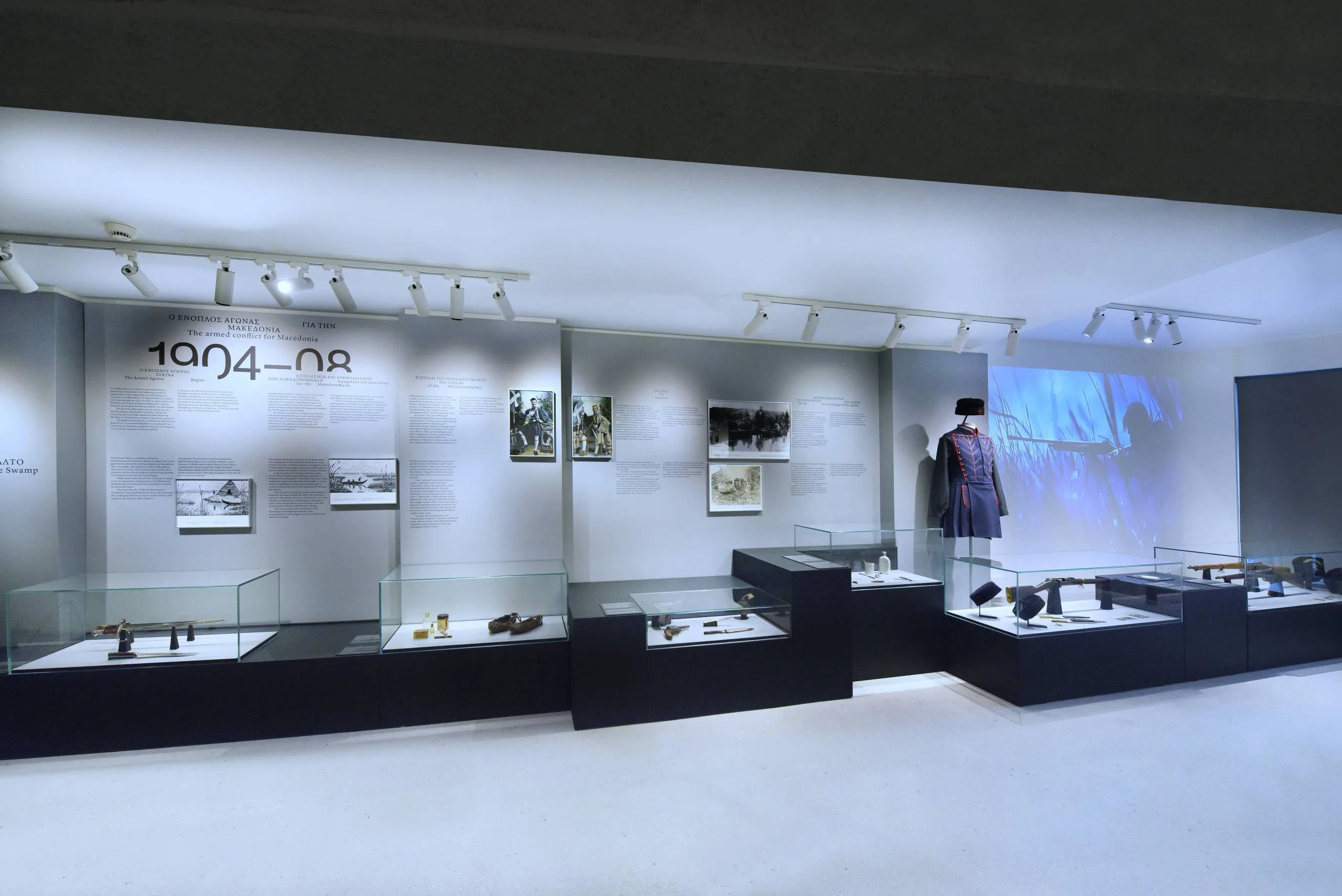
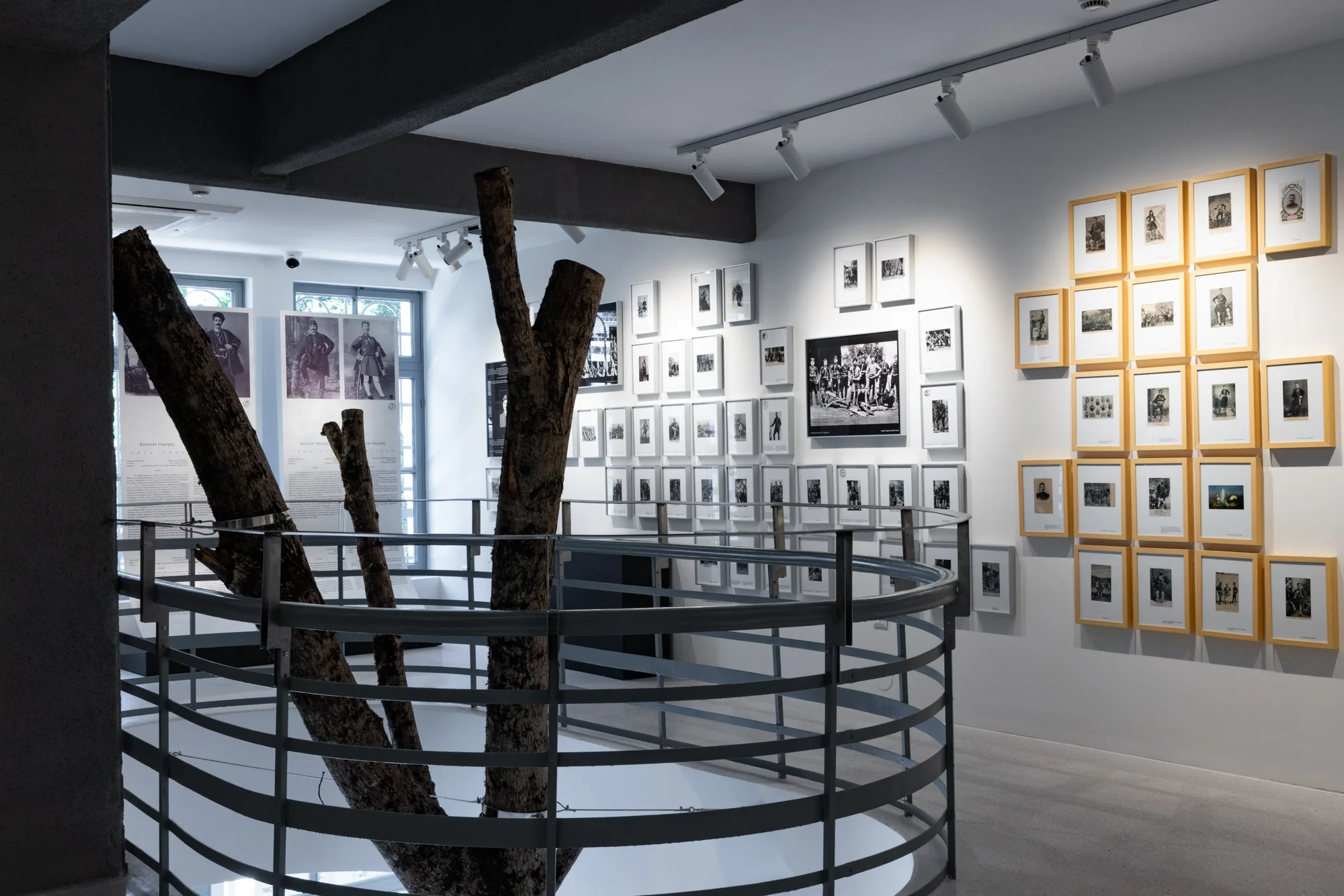
The second section, on the mezzanine, presents the period of the armed insurrection, 1904-1908. In this section you can familiarize yourself with the most important Macedonian fighters as well as details of their daily lives. Watch and experience the battle in the area of the “Swamp” of Giannitsa, revived with the help of AI, and with the use of a tablet listen to traditional sounds dedicated to representing the Macedonian fighters.
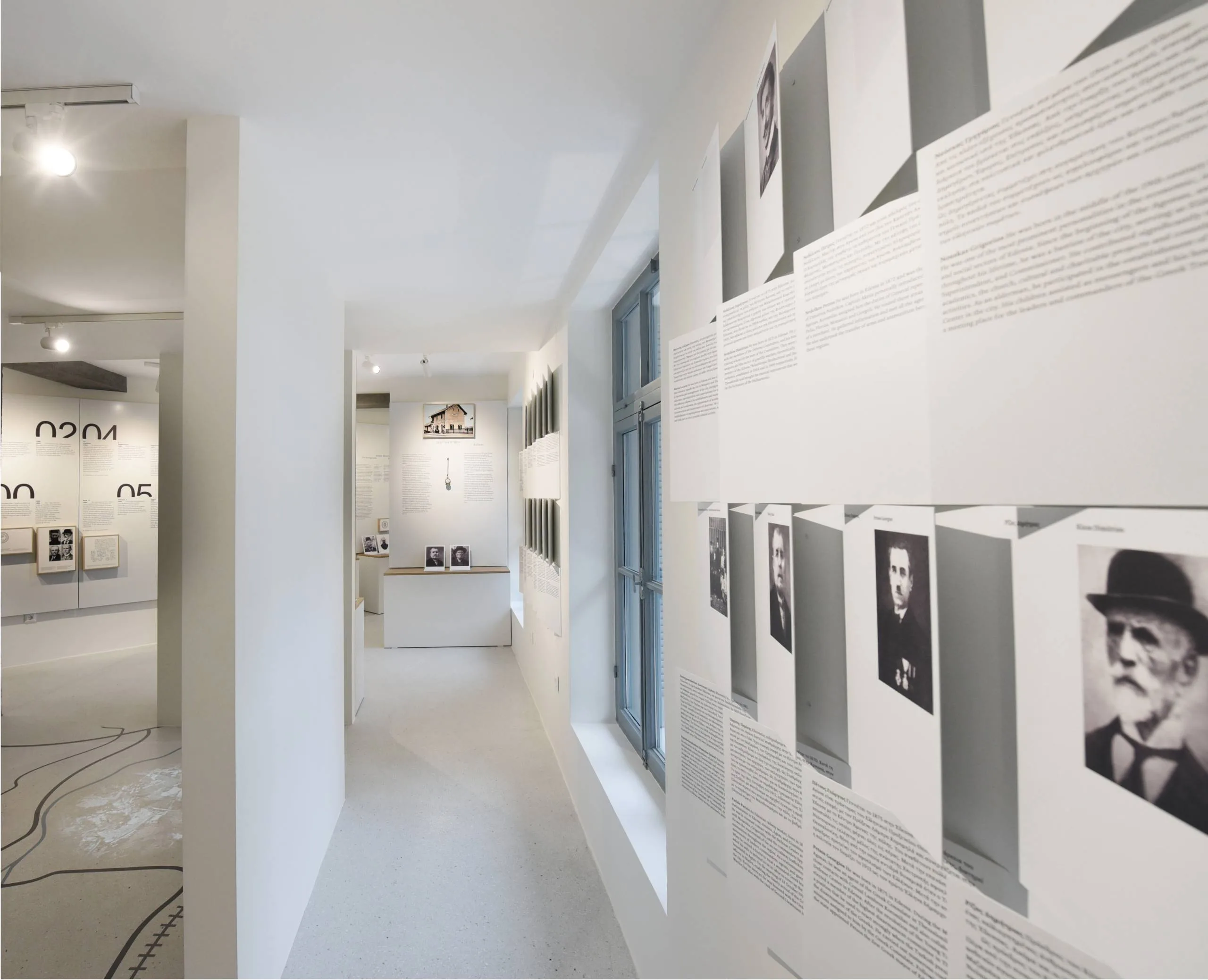
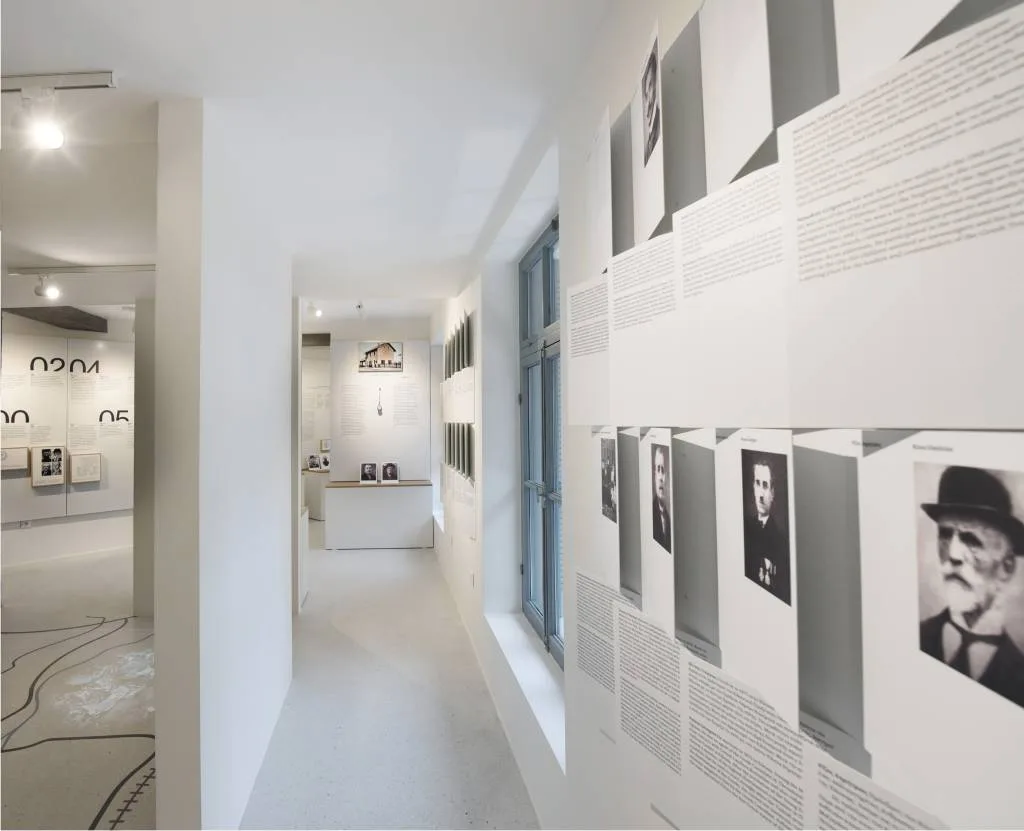
The third section includes the stories of the “Invisible Fighters”, residents of Edessa and the surrounding areas, highlighting the invaluable contribution of the city of Edessa to the Macedonian Struggle. It also refers to the city's main institutions (schools, charitable organisations, the Church, the Council of Elders, cultural associations, factories and the railway) that contributed significantly to the outcome of the Struggle.
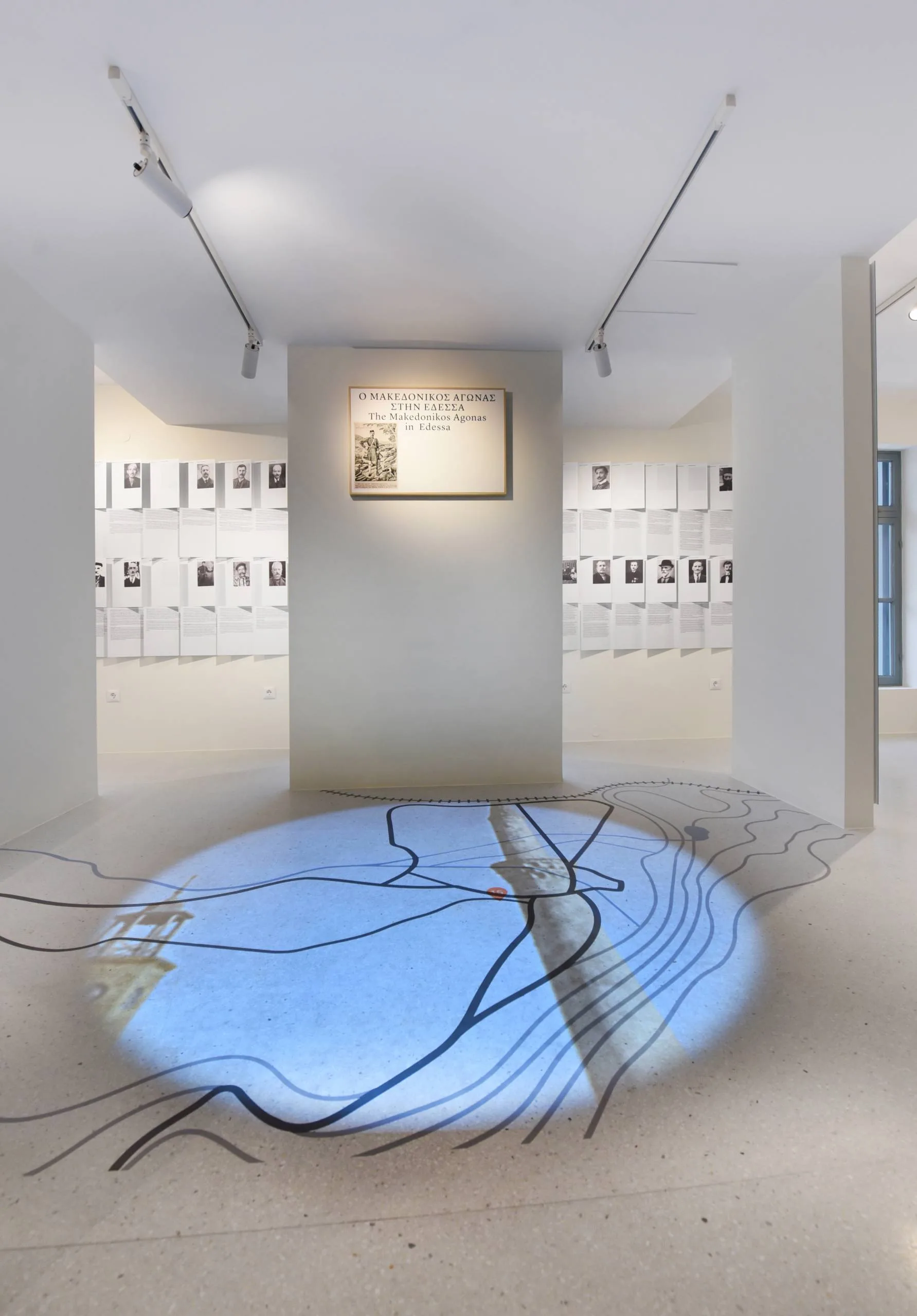
A special floor projection shows the first aerial photograph of Edessa, taken in 1933, and photographs reveal the locations of important historic buildings, the boundaries of the city’s neighbourhoods during the Ottoman period and the most important landmarks of that time.
The locations of the refugee settlements created with the arrival of the refugees in 1922 are shown, highlighting the major social and historical change that Edessa experienced, while old photographs that have been processed and turned into animation give a lively and dynamic dimension to the history and heritage of Edessa.

Be the first to hear about the Museum’s events, exhibitions and educational programmes.




Yessios Museum · Edessa